How long do anti- SARS-CoV-2 antibodies last?
Do we all produce the same amount of antibodies after the infection?
If not, why?
To answer these questions, we analysed 2001 healthcare workers from three hospitals in London, between the first and the second waves of the pandemic in the United Kingdom. These hospitals are in East London, an area very rich in ethnic diversity, which allowed us to study potential differences between people of different origins.
We used a rapid test to determine the presence or absence of antibodies against the N protein (Nucleoprotein) of SARS-CoV-2, and we confirmed those results with a quantitative test that also determines the amount of the antibodies in the blood of the participants to our study. None of them was positive to the virus or experiencing symptoms when antibodies were tested.
At the beginning of the pandemic, doctors found that people with some characteristics were more at risk of having a severe disease after the infection with SARS-CoV-2, namely being male, older, of Asian or Black ethnicity, having cardiovascular diseases, obesity or diabetes.
To understand whether these characteristics were also important for antibody production, we divided the participants to our study into groups according to:
- sex
- age
- ethnicity (based on the official list of ethnic groups by the government of the United Kingdom: Asian, Black, White, Mixed, Other)
- other diseases
- COVID-19 specific symptoms in the months before the antibody test (fever, cough, loss of smell or taste)
We also took into account the kind of tasks the participants of our study had in the hospital, dividing those who had been in direct contact with COVID-19 patients during the first wave of the pandemic (frontline) from those who had not been in contact with infected patients (non-frontline).
At the beginning of the study (Summer 2020), about one fourth of the healthcare workers we analysed had antibodies against N (506 out of 2001). The groups with a higher percentage of antibody positives were: males 48 to 67 years old, of Asian or Black ethnicity, and frontline workers. In general, the percentage of antibody-positive males was higher than antibody-positive females of any age.
When we measured the amount of antibodies in the blood of our volunteer participants, we found that individuals 48 to 77 years old had more antibodies than younger individuals and that those of Asian origin had more antibodies than participants from any other ethnic background. People with hypertension, diabetes, and obesity, had higher antibody levels than people without these diseases.
Regarding the presence of COVID-19 specific symptoms during the previous months, those with at least one symptom had greater antibody amounts, especially if symptoms had lasted more than 11 days.
545 participants were tested again after three months since the first test (Autumn 2020). About 1 out of 3 of those who were antibody positive at the beginning of our study, did not longer have antibodies in their blood, and, in general, all participants had fewer antibodies in their blood, including those still antibody positives. They had lost one third of their antibodies since the first measurement, made three months earlier. Participants with a higher risk of a severe disease after SARS-CoV-2 infection (older, Black or Asian, with hypertension), also had higher and longer-lasting levels of antibodies.
Both frontline and non-frontline workers had lost about one third of their antibodies during the three months between the first and the second test.
It is not yet clear why some ethnicities and age ranges have severe disease, and what is the real meaning of having more antibodies in the blood. In particular, antibodies against N are not able to block the virus, as opposed to antibodies against the Spike protein (S), which also diminish with time.
The results of this study we conducted in London, are very similar to other studies that involved a huge number of people all over the world. Antibodies against S also decline with time, and how long they last depends on the severity of the infection. If symptoms were mild, anti-S antibodies vanish in about 5 months. Based on all these studies, it is clear that vaccination is very important also for those people infected by the virus in the past because the vaccine prevents their antibodies to completely disappear after a few months.
Even if we don’t know for sure if SARS-CoV-2 can infect the same person more than once, we know that this is what happens with others coronaviruses, because the antibodies we produce against them vanish in 6-12 months. We have found that something similar occurs also for the antibodies against SARS-CoV-2.
Monitoring the levels of our antibodies helps us understand if we are at risk of being infected by the virus. Moreover, all the vaccines currently in use, make us produce only antibodies against S, while antibodies against N are produced only in case of infection. If we measure both types of antibodies, we can identify a new infection outbreak (if there are people with anti-N antibodies), and decide if and when another dose of the vaccine is necessary (when anti-S antibodies begin to wane).
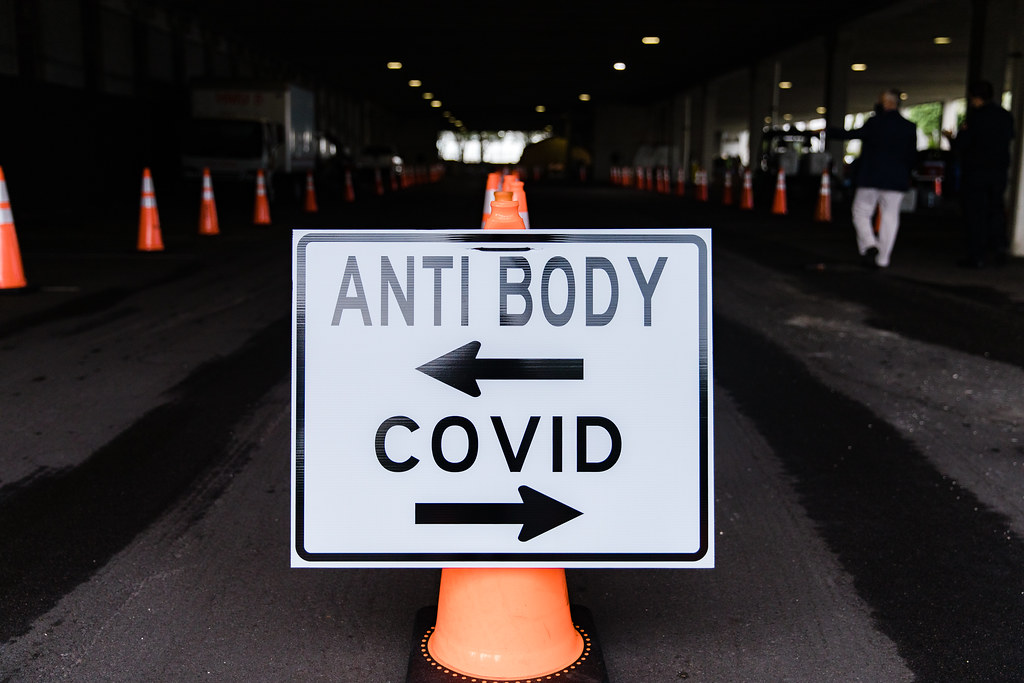
Image “COVID Antibody Testing at Mahaffey Theater” by CityofStPete is licensed under CC BY-ND 2.0
Bibliography
Disparities of SARS-CoV-2 Nucleoprotein-specific IgG in healthcare workers in East London, UK, Choudhry N, Drysdale K, Usai C et al., Frontiers in Medicine 2021, http://doi.org/10.3389/fmed.2021.642723
 Virus&Co.
One thought on “How long do anti- SARS-CoV-2 antibodies last?”