
Sapevate che ogni anno 1.4 milioni di persone muoiono per le conseguenze dell’epatite virale? Si tratta di una vittima ogni 30 secondi. Ogni anno il 28 luglio (il giorno del compleanno di Baruch Bloomberg, che scoprì il virus dell’epatite B) si celebra la Giornata Mondiale dell’Epatite per accendere i riflettori su questa malattia. I virusContinue reading “Le epatiti virali”
Author Archives: Carla Usai
Viral Hepatitis
Do you know that every year 1.4 million people worldwide die of viral hepatitis? It is one death every 30 seconds. World Hepatitis Day takes place every year on July 28 (the day Baruch Bloomberg, the discoverer of Hepatitis B virus, was born) to raise awareness on this disease. Five viruses cause hepatitis: HBV eContinue reading “Viral Hepatitis”
Quanto tempo durano gli anticorpi dopo un’infezione da SARS-CoV-2?
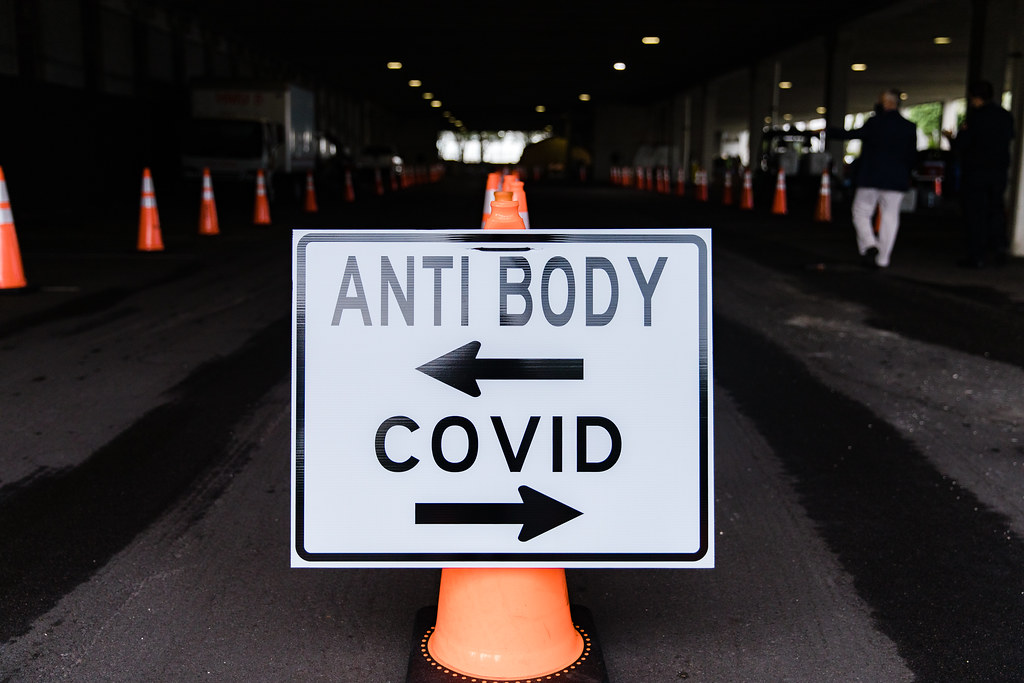
Quanto tempo durano gli anticorpi dopo un’infezione da SARS-CoV-2? Tutte le persone che si infettano producono la stessa quantità di anticorpi? Da cosa possono dipendere eventuali differenze? Per rispondere a queste domande, abbiamo analizzato 2001 lavoratori di tre ospedali londinesi tra la prima e la seconda ondata della pandemia nel Regno Unito. I tre ospedaliContinue reading “Quanto tempo durano gli anticorpi dopo un’infezione da SARS-CoV-2?”
How long do anti- SARS-CoV-2 antibodies last?
How long do anti- SARS-CoV-2 antibodies last? Do we all produce the same amount of antibodies after the infection? If not, why? To answer these questions, we analysed 2001 healthcare workers from three hospitals in London, between the first and the second waves of the pandemic in the United Kingdom. These hospitals are in East London,Continue reading “How long do anti- SARS-CoV-2 antibodies last?”
HCV: un virus che sfugge al sistema immunitario

Il virus dell’epatite C (HCV) fu scoperto negli anni ’80 grazie a studi condotti da Harvey J. Alter, Michael Houghton e Charles M. Rice, a cui è stato conferito congiuntamente il Premio Nobel per la Medicina e Fisiologia nel 2020. Prima della sua identificazione, erano noti altri due virus capaci di infettare il fegato, chiamatiContinue reading “HCV: un virus che sfugge al sistema immunitario”
HCV: a virus able to elude the immune system
The Hepatitis C Virus (HCV) was discovered in the 80s thanks to the work of Harvey J. Alter, Michael Houghton, and Charles M. Rice, who jointly received the Nobel Prize in Physiology or Medicine in 2020. Before that, two other viruses called Hepatitis A virus and Hepatitis B virus (HAV, HBV) were known to infectContinue reading “HCV: a virus able to elude the immune system”
Mutazioni, varianti e quasispecie: la microevoluzione dei virus
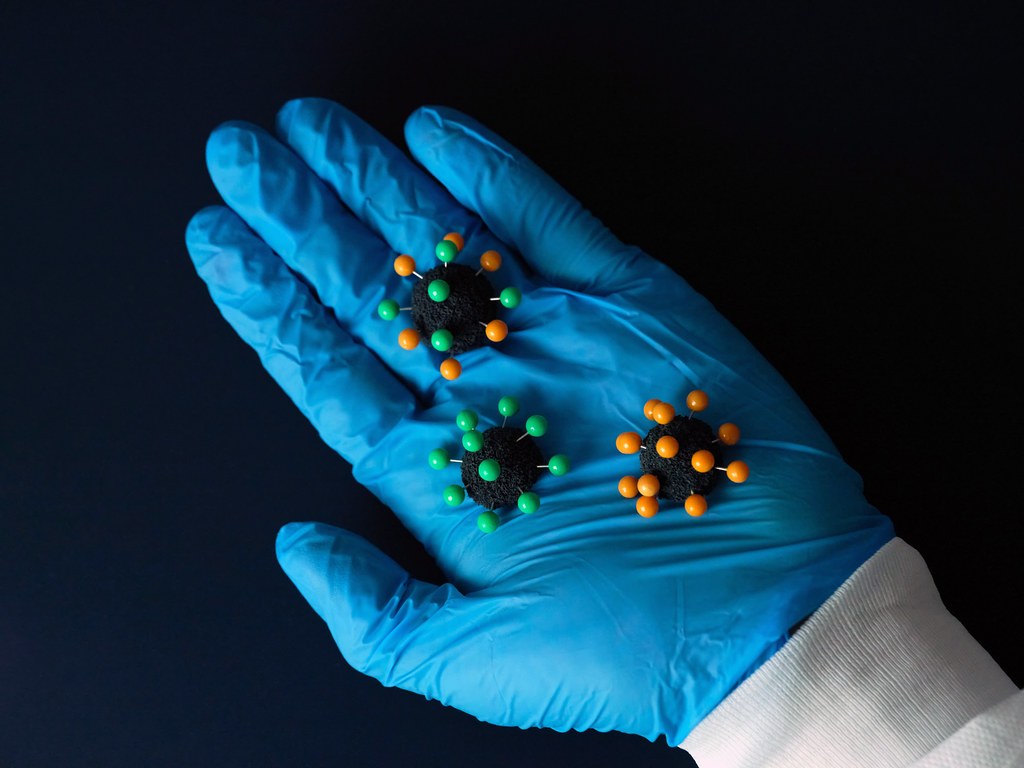
Perché i virus mutano? In realtà la domanda che dovremmo porci è: come mutano i virus? I virus non sono esseri pensanti che agiscono secondo una strategia, non decidono se mutare o come mutare, e quando ciò accade è il risultato che determina se la mutazione sopravviverà nel tempo e non viceversa. Questo è validoContinue reading “Mutazioni, varianti e quasispecie: la microevoluzione dei virus”
Mutations, variants and quasispecies: the microevolution of viruses
Why do viruses mutate? Actually, the question we should ask is: how do viruses mutate? Viruses are not consciously thinking beings that pursue a strategy, they do not decide to mutate or how to mutate, and when this happens, it is the result of the mutation to determine whether it will persist in time, andContinue reading “Mutations, variants and quasispecies: the microevolution of viruses”
Un anno di congressi online: pro e contro

Uno dei lati positivi di lavorare nel mondo della ricerca è (o meglio, era) quello di partecipare ai congressi, non solo per presentare il proprio lavoro e conoscere altri ricercatori, ma anche per viaggiare e visitare nuove città. Da un anno a questa parte anche i congressi e le conferenze scientifiche che non sono stateContinue reading “Un anno di congressi online: pro e contro”
One year of online congresses: pros and cons
One of the positive aspects of working in academic research is (or at least was) participating in congresses, not only to present one’s own work and meet other scientists, but also for the travelling experience. For one year now, scientific congresses and conferences have been either canceled or hold as online events, something to whichContinue reading “One year of online congresses: pros and cons”
 Virus&Co.