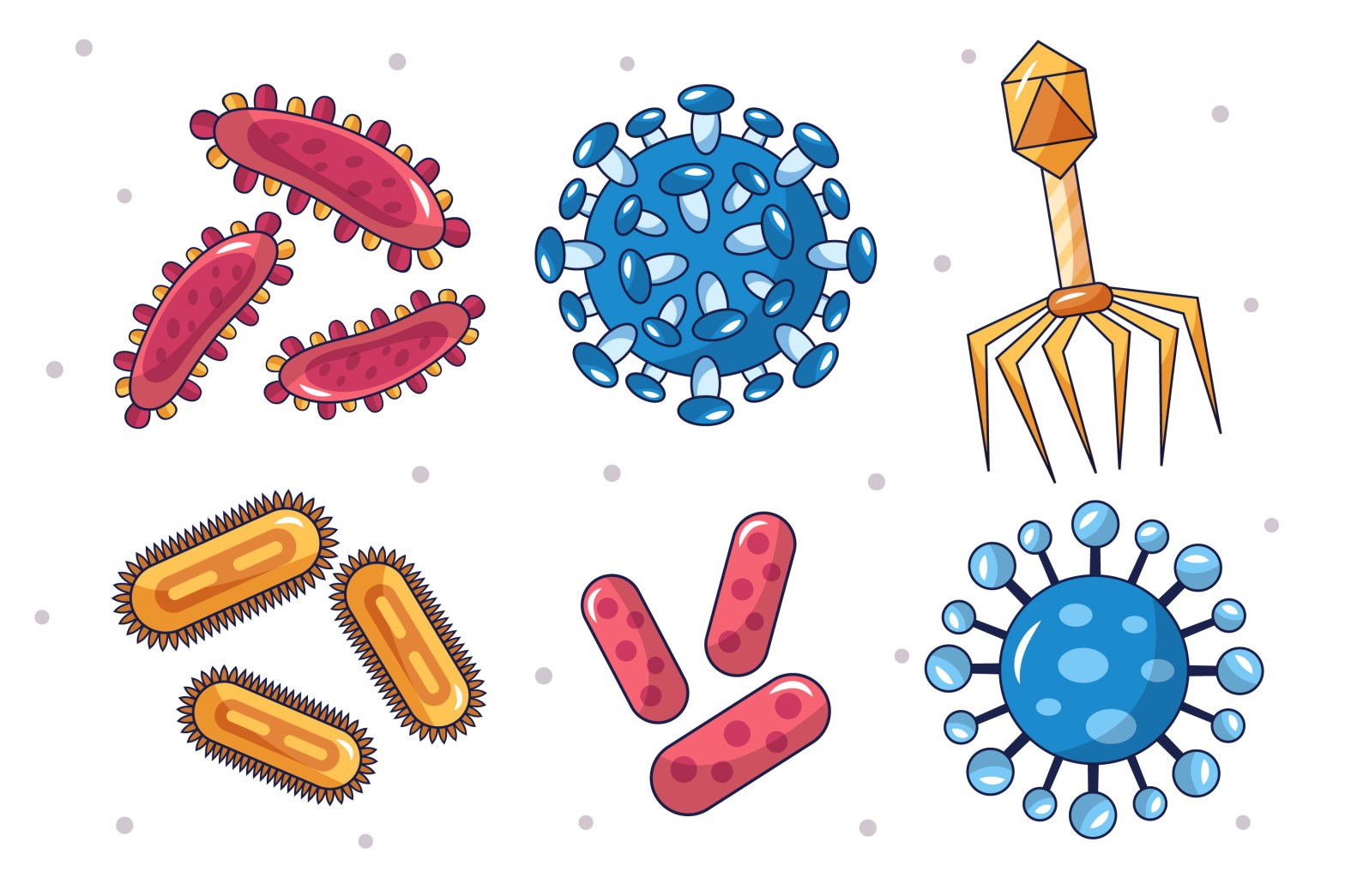
Viruses and bacteria are fundamentally different despite some similarities. Bacteria are living unicellular organisms with independent metabolism, while viruses are non-living entities that require host cells for replication. Bacteria can be beneficial, aiding human health, whereas viruses are mostly pathogenic. Both can be used in biotechnology for medical advancements.
Category Archives: Biotech
The Oxford-Astra Zeneca vaccine: a viral vector-based vaccine

Three different vaccines have been authorised for emergency use in the United Kingdom to control the pandemic: two of them are mRNA vaccines, and one is based on a viral vector. The latter, called AZD1222, has been developed by Oxford University in collaboration with the biopharma company Astra Zeneca. AZD1222 is based in a chimpanzeeContinue reading “The Oxford-Astra Zeneca vaccine: a viral vector-based vaccine”
The Moderna and Pfizer vaccines: promising results in less than one year since the beginning of the pandemic
Since the beginning of the pandemic, we have been hoping for a vaccine to defeat the virus and get back to “normality”, a more lighthearted daily life that we had to put aside. On March 16th, a few days after the WHO had declared the pandemic, the biotech company Moderna announced the beginning of phaseContinue reading “The Moderna and Pfizer vaccines: promising results in less than one year since the beginning of the pandemic”
COVID-19 swab tests: how they work

If one year ago someone had told me that our daily conversations would have had “virus, PCR, swab, antibodies” as keywords, I would have not believed it, but (unfortunately) these are trending topics in 2020. Since everybody talks about that, but many still mix things up, here are the differences between “swab test” and “rapidContinue reading “COVID-19 swab tests: how they work”
When viruses are the ally: successful gene therapy for retinal dystrophy and beta-thalassemia
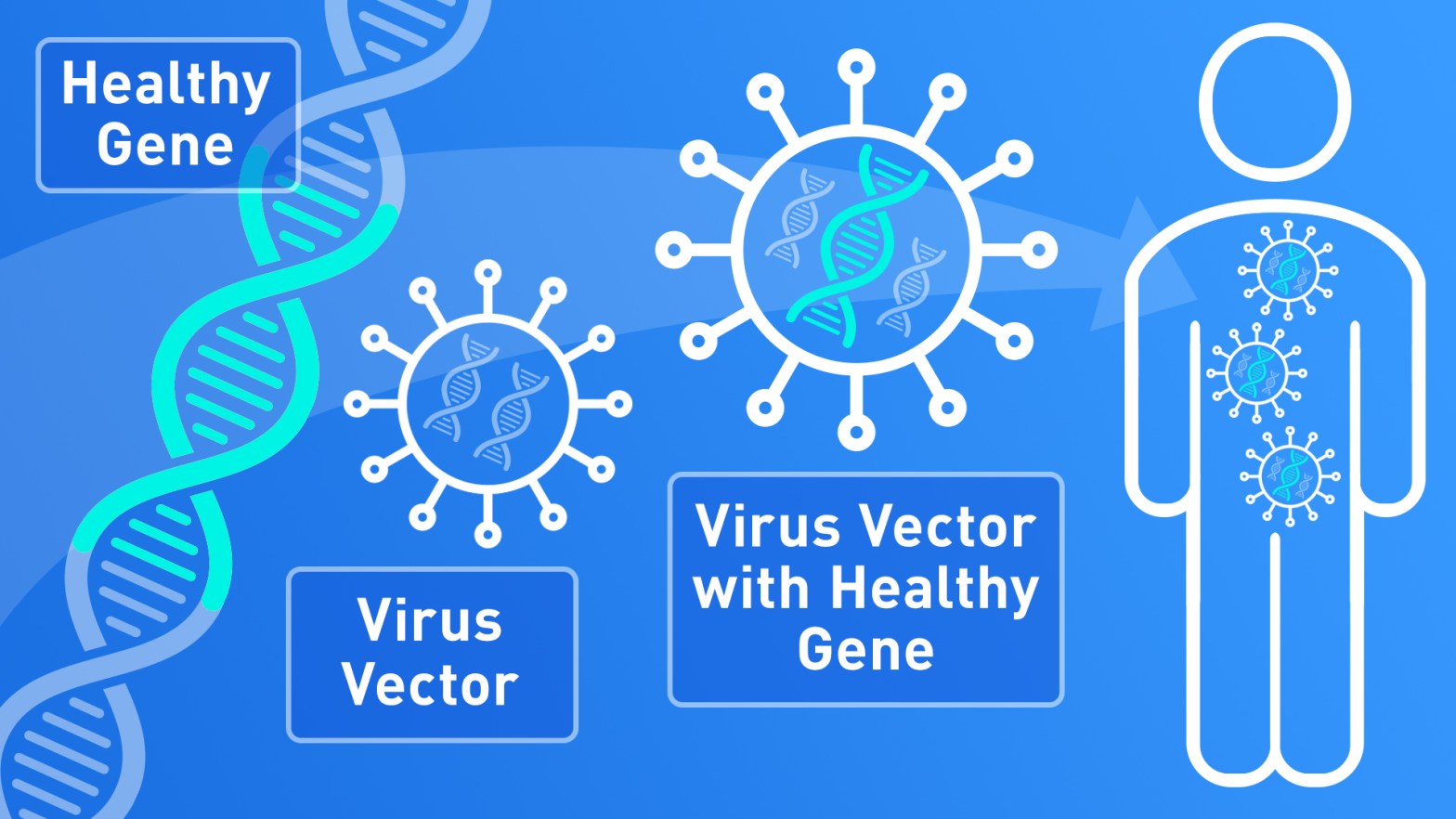
The goal of gene therapy is to cure monofactorial genetic disorders, caused by mutations in a single gene. In the sequence of each gene are the instructions for the production of a protein, and every block of three bases (codon) corresponds to a specific amino acid. Alterations in the DNA sequence (mutations) affect the sequenceContinue reading “When viruses are the ally: successful gene therapy for retinal dystrophy and beta-thalassemia”
The double helix of DNA: the secret of life
DNA is made up of two chains of nucleotides that pair to form a double helix. Genes are sequences of nucleotides that contain the information needed to make proteins. The central dogma explains the passage of information from DNA to proteins via RNA. Human genome sequencing and biotechnology are the basis of gene therapy and cell therapy.
Vaccines, antibodies and herd immunity (in a nutshell)
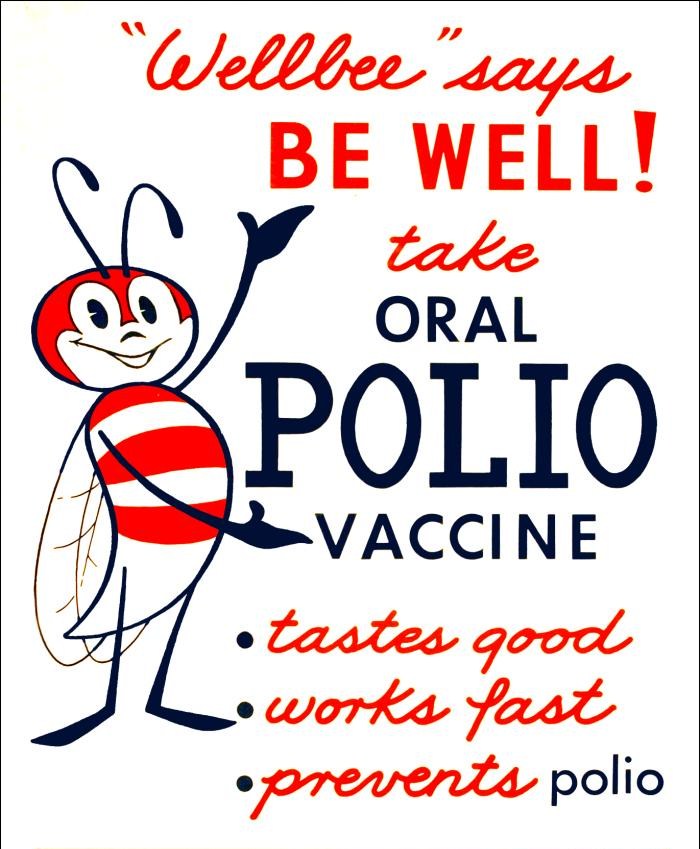
Vaccines make us immune to viruses and bacteria stimulating the immune system to produce antibodies. They have significantly contributed to reducing infant mortality and improving the health of the population. Vaccination was first introduced by Jenner in 1976. Vaccines protect not only the individual but also the entire community.
 Virus&Co.