
One year ago I decided to start a science communication blog to share with you my job, to make science more accessible, and to fight fake news and false believes that spread on the internet. I chose to write about viruses because is what I have worked on in the lab for more than sixContinue reading “One year of scicomm (and what a year!)”
Category Archives: English version
Clinical trials: rules, phases, and results

To obtain marketing authorization, all drugs must pass several phases of preclinical (in the lab) and clinical (on human volunteers) trials. During the preclinical phases, molecules are tested on models such as cells, and animal models more or less similar to humans (from mice to primates, where permitted by the local laws). Experimentation on animalContinue reading “Clinical trials: rules, phases, and results”
The Moderna and Pfizer vaccines: promising results in less than one year since the beginning of the pandemic
Since the beginning of the pandemic, we have been hoping for a vaccine to defeat the virus and get back to “normality”, a more lighthearted daily life that we had to put aside. On March 16th, a few days after the WHO had declared the pandemic, the biotech company Moderna announced the beginning of phaseContinue reading “The Moderna and Pfizer vaccines: promising results in less than one year since the beginning of the pandemic”
The flu: seasonal outbreaks and pandemics
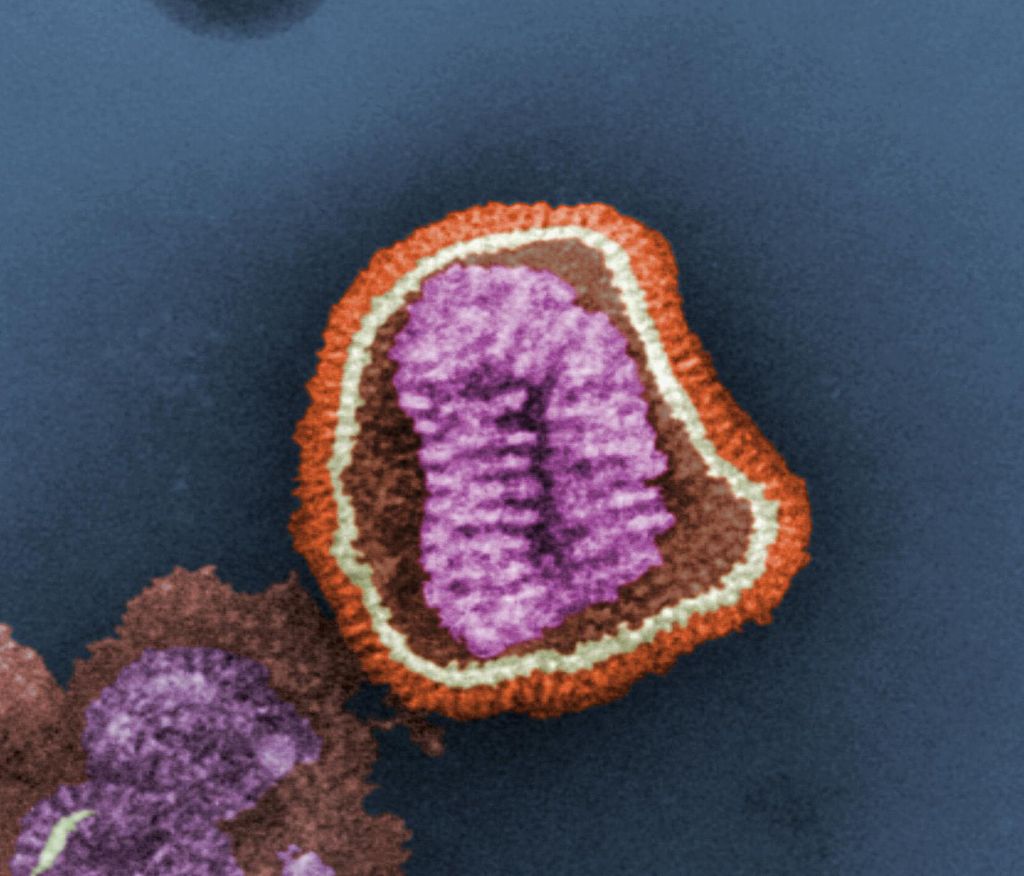
At the beginning of 2020, when the spread of SARS-CoV-2 was undeniable but its consequences were still unknown, some tried to minimize the situation, saying that it was “just like a flu”. However, the flu is not an insignificant disease: it is a viral infection of the airways that we can prevent with a vaccineContinue reading “The flu: seasonal outbreaks and pandemics”
COVID-19 swab tests: how they work

If one year ago someone had told me that our daily conversations would have had “virus, PCR, swab, antibodies” as keywords, I would have not believed it, but (unfortunately) these are trending topics in 2020. Since everybody talks about that, but many still mix things up, here are the differences between “swab test” and “rapidContinue reading “COVID-19 swab tests: how they work”
West Nile Virus (WNV)
Author’s note: this article was published for the first time on 15/09/2020; latest update: 28/07/2025 What is the West Nile Virus and where is it found? West Nile Virus (WNV), despite its exotic name, is quite a common virus in Europe. In 2025 cases have been reported in Greece, Romania and Italy. It was initiallyContinue reading “West Nile Virus (WNV)”
Per aspera ad astra: failure and success in (and beyond) science
As scientists, we are familiar with the concept of failure. The experiments that do not work are more than those that actually do, the papers that need revisions and corrections exceed those published without any correction, the number of rejected grant applications is greatly larger than the number of applications that are accepted. The effortContinue reading “Per aspera ad astra: failure and success in (and beyond) science”
Viruses from the past trapped in glacier ice
It has been known since the beginning of the last century, that glaciers store in their depths microorganisms from thousands of years ago. The study of ice samples collected using core drills has allowed determining the environmental conditions of different ages, based on the characteristics of the bacteria they contain. In some cases, bacteria foundContinue reading “Viruses from the past trapped in glacier ice”
When viruses are the ally: successful gene therapy for retinal dystrophy and beta-thalassemia
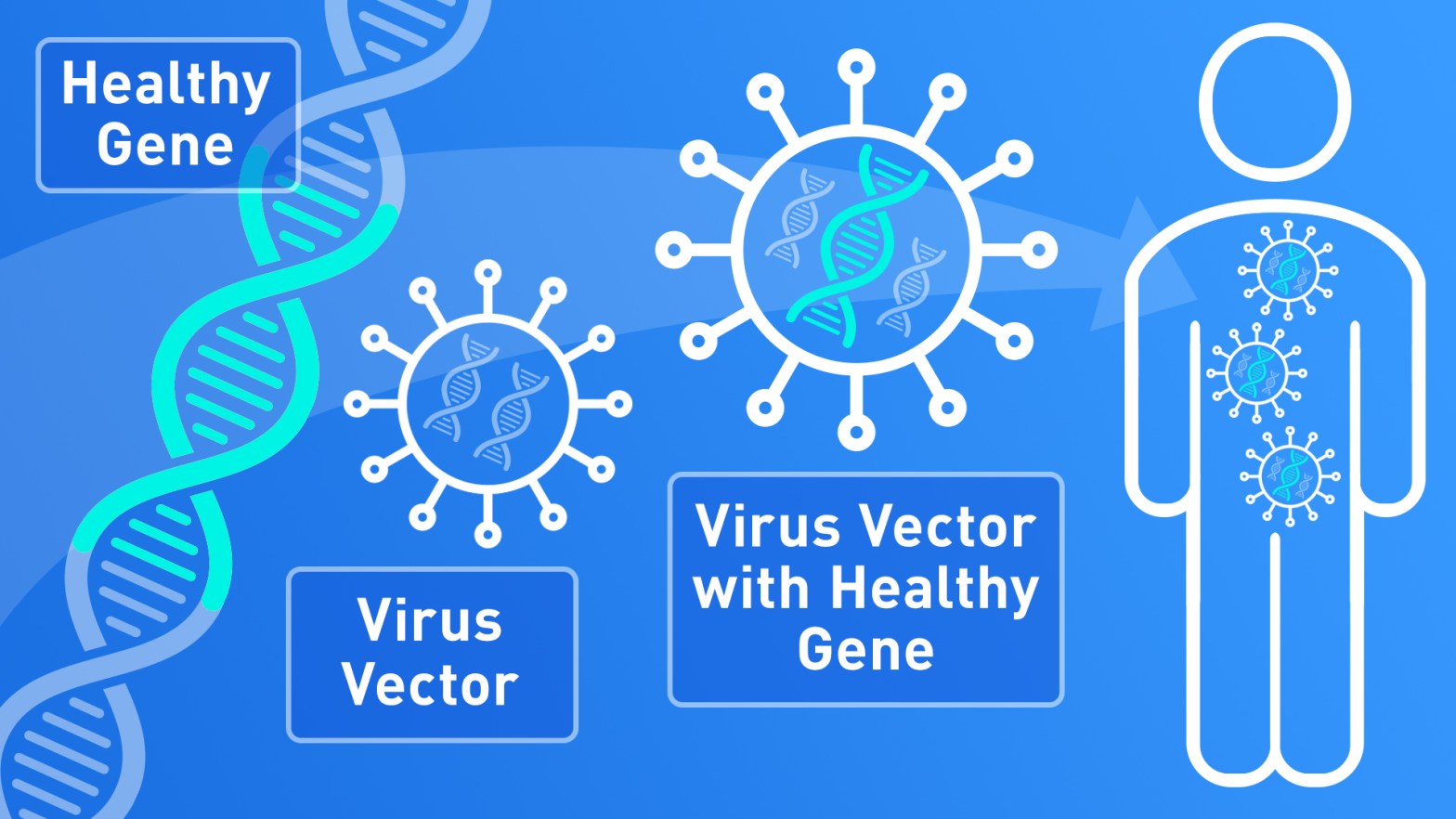
The goal of gene therapy is to cure monofactorial genetic disorders, caused by mutations in a single gene. In the sequence of each gene are the instructions for the production of a protein, and every block of three bases (codon) corresponds to a specific amino acid. Alterations in the DNA sequence (mutations) affect the sequenceContinue reading “When viruses are the ally: successful gene therapy for retinal dystrophy and beta-thalassemia”
Serology tests for COVID-19: what they are and how they work
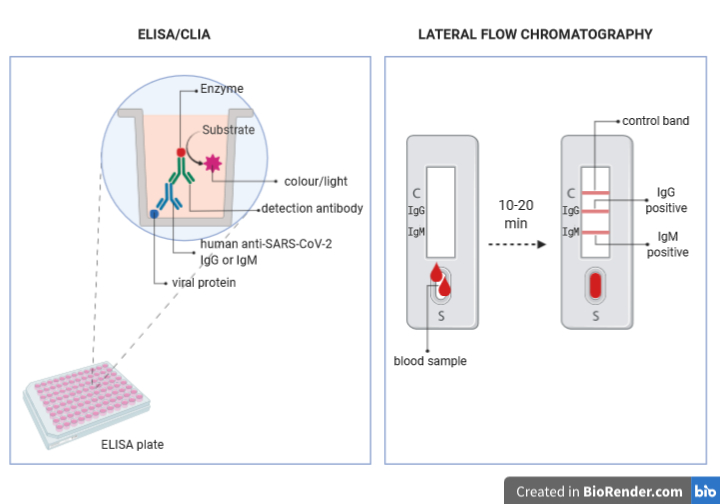
Serology tests detect the presence of specific proteins of interest in the serum (the liquid phase of blood after clotting). Serology tests for COVID-19 aim to detect in the serum specific antibodies against SARS-CoV-2 (antibodies are proteins as well). The human body produces 5 different types of antibodies (IgA, IgD, IgE, IgG e IgM, whereContinue reading “Serology tests for COVID-19: what they are and how they work”
 Virus&Co.