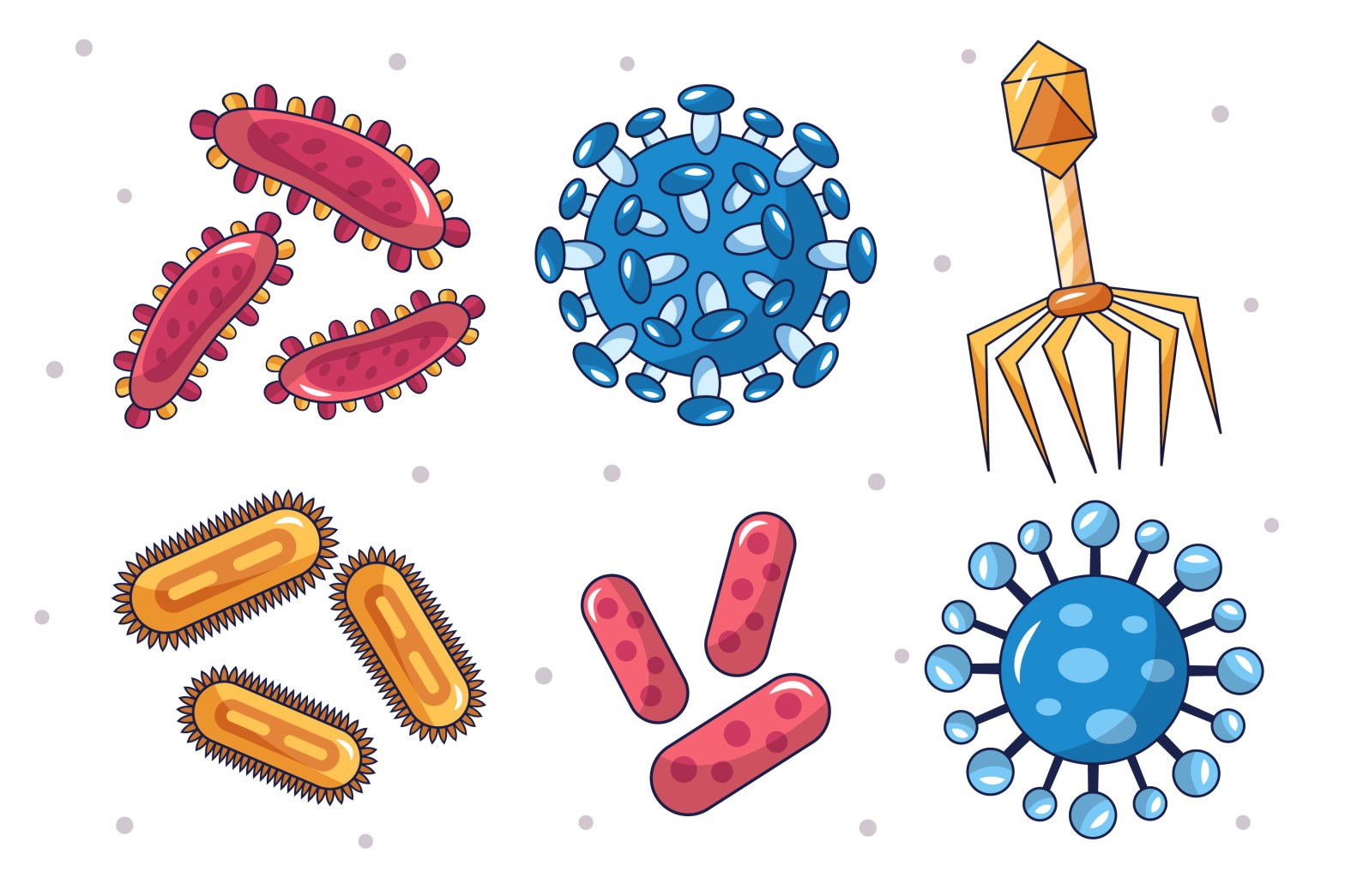
Viruses and bacteria are fundamentally different despite some similarities. Bacteria are living unicellular organisms with independent metabolism, while viruses are non-living entities that require host cells for replication. Bacteria can be beneficial, aiding human health, whereas viruses are mostly pathogenic. Both can be used in biotechnology for medical advancements.
Category Archives: Viruses
Why is polio back?

The global eradication plan reduced polio incidence by 99% since 1988, but Polioviurs is still endemic in some countries and can circulate silently in others. Under the proper conditions, Poliovirus can spread in the population and cause the diasease, as it has happened in Gaza.
The Asian Tiger Mosquito (Aedes albopictus)

The Asian Tiger Mosquito (Aedes albopictus) is an invasive species from Asia. It has invaded the temperate regions of Europe and the Americas, where it remains active also during the winter season. Globalisation, urbanisation and climate change have promoted its spreading. It is a public health concern since it can transmit viral diseases such as Dengue and Chikungunya.
The Bluetongue Disease

Bluetongue is a viral, vector-transmitted disease that affects ruminants. There is no treatment to cure infected animals, but it can be prevented by vaccination. Other indirect methods to prevent the spread of the Bluetongue disease are the control of the vector population, and the control of livestock transportation.
Understanding long-COVID-19

The post-COVID-19 condition (PCC), formerly known as long-COVID, affects 40% of patients with symptoms persisting for months. Common issues include fatigue, shortness of breath, altered taste and smell, and neurological impairments. Females are more prone to PCC. Animal studies show brain inflammation and altered gene expression, suggesting cognitive impairment. The impact of vaccination on PCC requires further research.
How we work with viruses in the lab
“If you know the enemy and know yourself you need not fear the results of a hundred battles”, said the Chinese warrior Sun Tzu. As our enemies in a battle, viruses can differ a lot, each of them with their own weapons to cause diseases, and strategies to spread in the population. Knowing the characteristicsContinue reading “How we work with viruses in the lab”
One health: a healthy planet to prevent future pandemics
The recent pandemic has highlighted how humans are part of a broad system in which elements are strongly connected and on a constant search for equilibrium. Two brilliant examples of this fragile balance are the Wuhan wet market, where live animals used to be sold and many species were in close contact, and the returnContinue reading “One health: a healthy planet to prevent future pandemics”
The Hepatitis Delta neglected pandemic
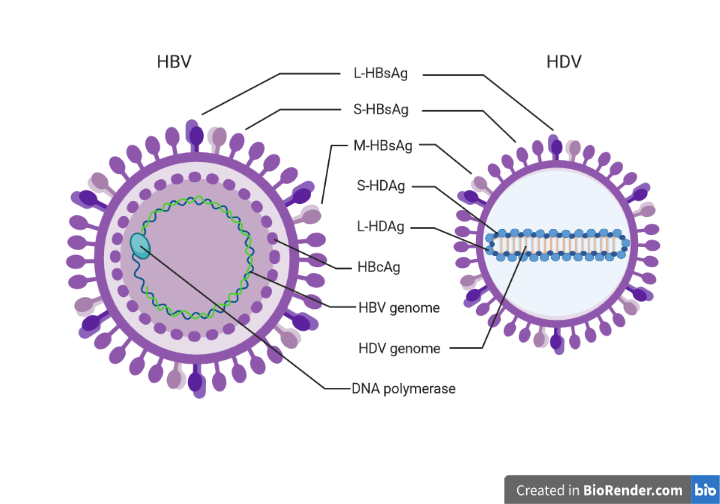
Hepatitis is now a hot topic, due to the recent severe cases of liver inflammation in children between 1 month and 16 years of age in different countries. The first (and more numerous) cases have been reported in the United Kingdom, but also in Italy, Spain, Romania, United States, Israel, and other EU countries. TheContinue reading “The Hepatitis Delta neglected pandemic”
Human papillomavirus (HPV)
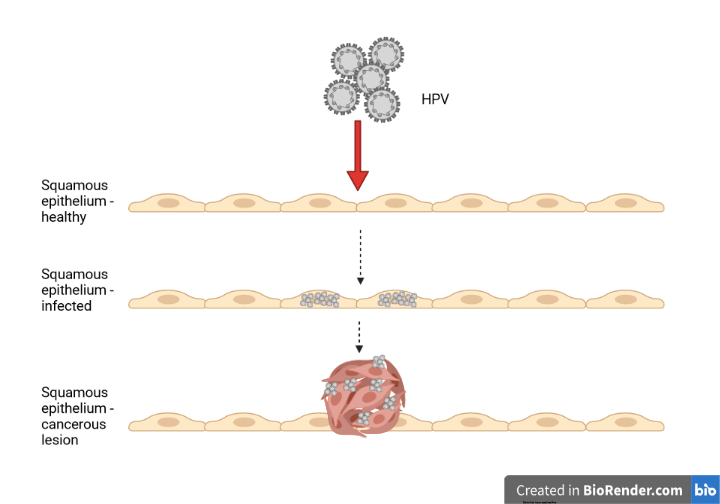
When we talk about human papillomavirus (HPV) we are actually referring to more than 200 different viruses, all belonging to the Papillomaviridae family, classified into five genera (α, β, γ, μ, ν). They are DNA viruses that infect the skin or the mucosae and are divided into low-risk and high-risk types, depending on their abilityContinue reading “Human papillomavirus (HPV)”
Why don’t we all produce the same amount of antibodies against SARS-CoV-2?
What we already knew about the antibodies against SARS-COV-2 In our first study on patients who had recovered from COVID-19, we saw that some patients had more antibodies in their blood, and that in others the level of antibodies declined very quickly. Moreover, looking at different groups of patients all over the world (including ours),Continue reading “Why don’t we all produce the same amount of antibodies against SARS-CoV-2?”
 Virus&Co.