The global eradication plan reduced polio incidence by 99% since 1988, but Polioviurs is still endemic in some countries and can circulate silently in others. Under the proper conditions, Poliovirus can spread in the population and cause the diasease, as it has happened in Gaza.
Tag Archives: Vaccines
Human papillomavirus (HPV)
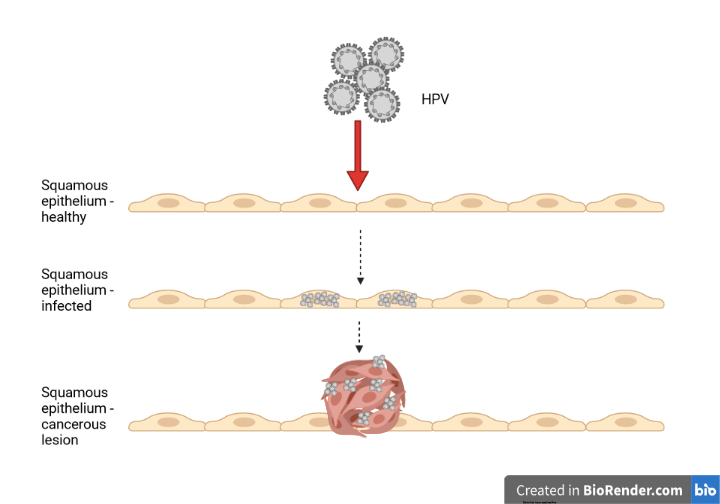
When we talk about human papillomavirus (HPV) we are actually referring to more than 200 different viruses, all belonging to the Papillomaviridae family, classified into five genera (α, β, γ, μ, ν). They are DNA viruses that infect the skin or the mucosae and are divided into low-risk and high-risk types, depending on their abilityContinue reading “Human papillomavirus (HPV)”
Why don’t we all produce the same amount of antibodies against SARS-CoV-2?
What we already knew about the antibodies against SARS-COV-2 In our first study on patients who had recovered from COVID-19, we saw that some patients had more antibodies in their blood, and that in others the level of antibodies declined very quickly. Moreover, looking at different groups of patients all over the world (including ours),Continue reading “Why don’t we all produce the same amount of antibodies against SARS-CoV-2?”
How long do anti- SARS-CoV-2 antibodies last?
How long do anti- SARS-CoV-2 antibodies last? Do we all produce the same amount of antibodies after the infection? If not, why? To answer these questions, we analysed 2001 healthcare workers from three hospitals in London, between the first and the second waves of the pandemic in the United Kingdom. These hospitals are in East London,Continue reading “How long do anti- SARS-CoV-2 antibodies last?”
Mutations, variants and quasispecies: the microevolution of viruses
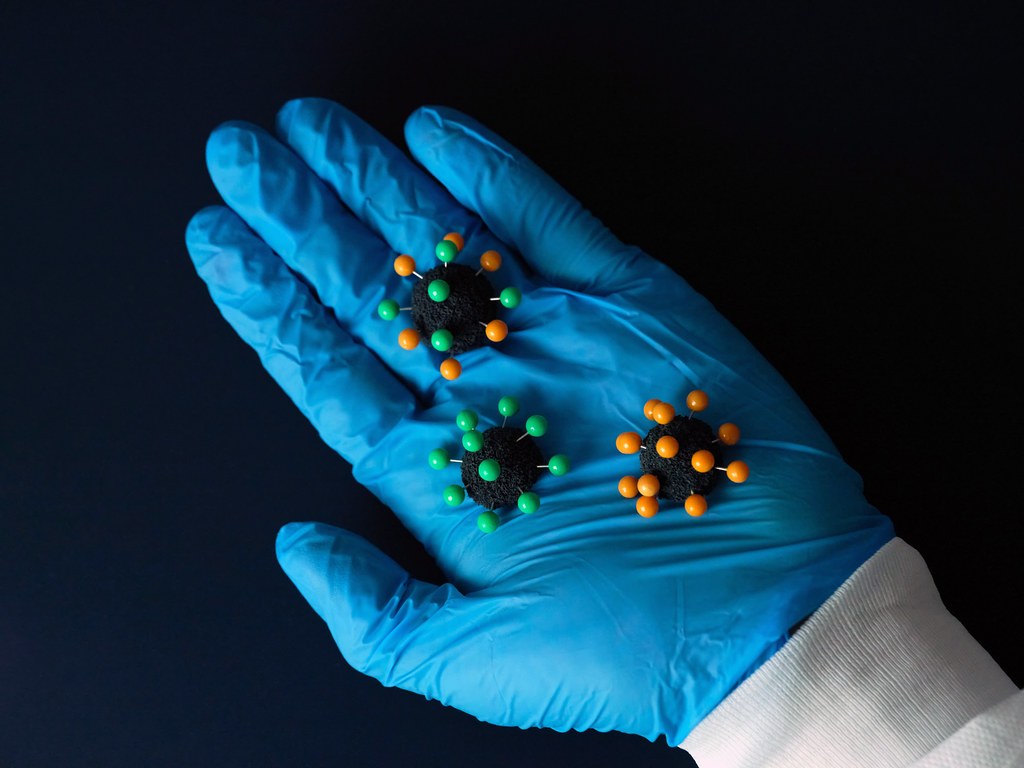
Why do viruses mutate? Actually, the question we should ask is: how do viruses mutate? Viruses are not consciously thinking beings that pursue a strategy, they do not decide to mutate or how to mutate, and when this happens, it is the result of the mutation to determine whether it will persist in time, andContinue reading “Mutations, variants and quasispecies: the microevolution of viruses”
The Oxford-Astra Zeneca vaccine: a viral vector-based vaccine

Three different vaccines have been authorised for emergency use in the United Kingdom to control the pandemic: two of them are mRNA vaccines, and one is based on a viral vector. The latter, called AZD1222, has been developed by Oxford University in collaboration with the biopharma company Astra Zeneca. AZD1222 is based in a chimpanzeeContinue reading “The Oxford-Astra Zeneca vaccine: a viral vector-based vaccine”
Clinical trials: rules, phases, and results

To obtain marketing authorization, all drugs must pass several phases of preclinical (in the lab) and clinical (on human volunteers) trials. During the preclinical phases, molecules are tested on models such as cells, and animal models more or less similar to humans (from mice to primates, where permitted by the local laws). Experimentation on animalContinue reading “Clinical trials: rules, phases, and results”
The Moderna and Pfizer vaccines: promising results in less than one year since the beginning of the pandemic
Since the beginning of the pandemic, we have been hoping for a vaccine to defeat the virus and get back to “normality”, a more lighthearted daily life that we had to put aside. On March 16th, a few days after the WHO had declared the pandemic, the biotech company Moderna announced the beginning of phaseContinue reading “The Moderna and Pfizer vaccines: promising results in less than one year since the beginning of the pandemic”
The flu: seasonal outbreaks and pandemics
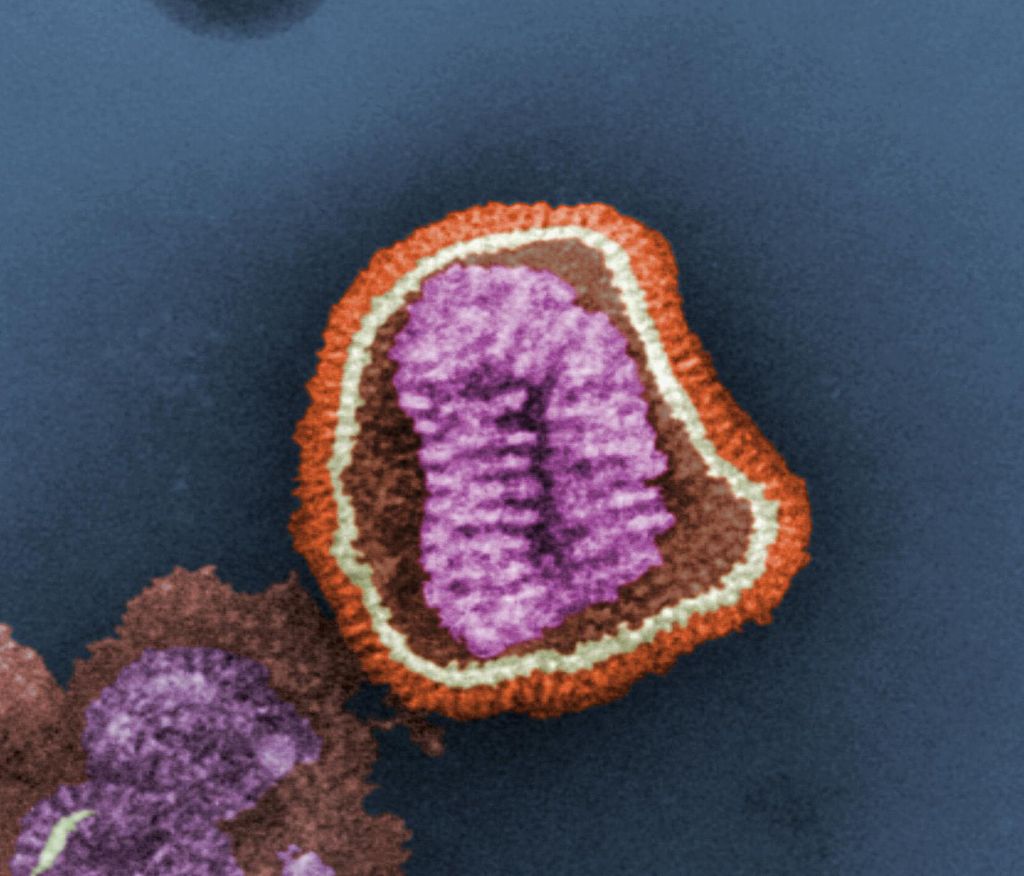
At the beginning of 2020, when the spread of SARS-CoV-2 was undeniable but its consequences were still unknown, some tried to minimize the situation, saying that it was “just like a flu”. However, the flu is not an insignificant disease: it is a viral infection of the airways that we can prevent with a vaccineContinue reading “The flu: seasonal outbreaks and pandemics”
Vaccines, antibodies and herd immunity (in a nutshell)
Vaccines make us immune to viruses and bacteria stimulating the immune system to produce antibodies. They have significantly contributed to reducing infant mortality and improving the health of the population. Vaccination was first introduced by Jenner in 1976. Vaccines protect not only the individual but also the entire community.
 Virus&Co.