
Dopo la pandemia di COVID-19, molte persone soffrono di “long-COVID”, con sintomi come affaticamento, tachicardia e disturbi neurologici. Donne e uomini sono a rischio, e non ci sono cure definitive. Studi sugli animali mostrano infiammazione cerebrale e modifiche genetiche simili a malattie neurodegenerative. È necessario approfondire la relazione tra varianti virali, vaccini e long-COVID.
Tag Archives: SARS-CoV-2
Understanding long-COVID-19
The post-COVID-19 condition (PCC), formerly known as long-COVID, affects 40% of patients with symptoms persisting for months. Common issues include fatigue, shortness of breath, altered taste and smell, and neurological impairments. Females are more prone to PCC. Animal studies show brain inflammation and altered gene expression, suggesting cognitive impairment. The impact of vaccination on PCC requires further research.
Come si lavora con i virus?
“Se conosci i tuoi nemici e conosci te stesso, non avrai paura del risultato neanche in cento battaglie”, diceva il generale cinese Sun Tzu. Come i nemici da affrontare in battaglia, anche i virus possono essere molto diversi tra loro, ciascuno con le proprie armi per causare malattie e le proprie strategie per trasmettersi daContinue reading “Come si lavora con i virus?”
How we work with viruses in the lab
“If you know the enemy and know yourself you need not fear the results of a hundred battles”, said the Chinese warrior Sun Tzu. As our enemies in a battle, viruses can differ a lot, each of them with their own weapons to cause diseases, and strategies to spread in the population. Knowing the characteristicsContinue reading “How we work with viruses in the lab”
Quanto tempo durano gli anticorpi dopo un’infezione da SARS-CoV-2?
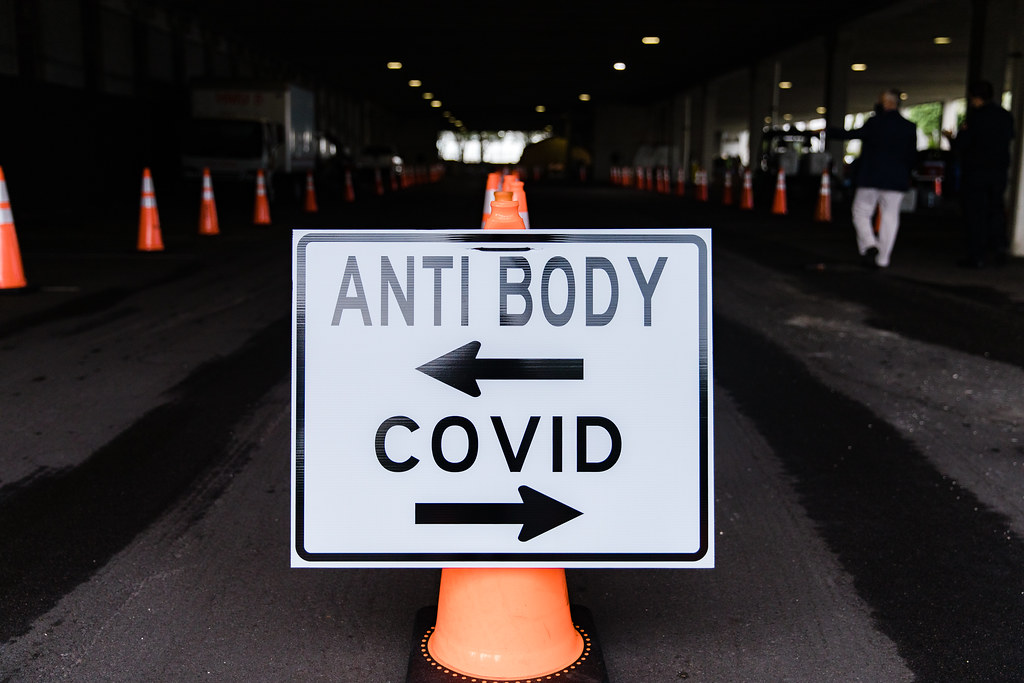
Quanto tempo durano gli anticorpi dopo un’infezione da SARS-CoV-2? Tutte le persone che si infettano producono la stessa quantità di anticorpi? Da cosa possono dipendere eventuali differenze? Per rispondere a queste domande, abbiamo analizzato 2001 lavoratori di tre ospedali londinesi tra la prima e la seconda ondata della pandemia nel Regno Unito. I tre ospedaliContinue reading “Quanto tempo durano gli anticorpi dopo un’infezione da SARS-CoV-2?”
How long do anti- SARS-CoV-2 antibodies last?
How long do anti- SARS-CoV-2 antibodies last? Do we all produce the same amount of antibodies after the infection? If not, why? To answer these questions, we analysed 2001 healthcare workers from three hospitals in London, between the first and the second waves of the pandemic in the United Kingdom. These hospitals are in East London,Continue reading “How long do anti- SARS-CoV-2 antibodies last?”
Mutazioni, varianti e quasispecie: la microevoluzione dei virus
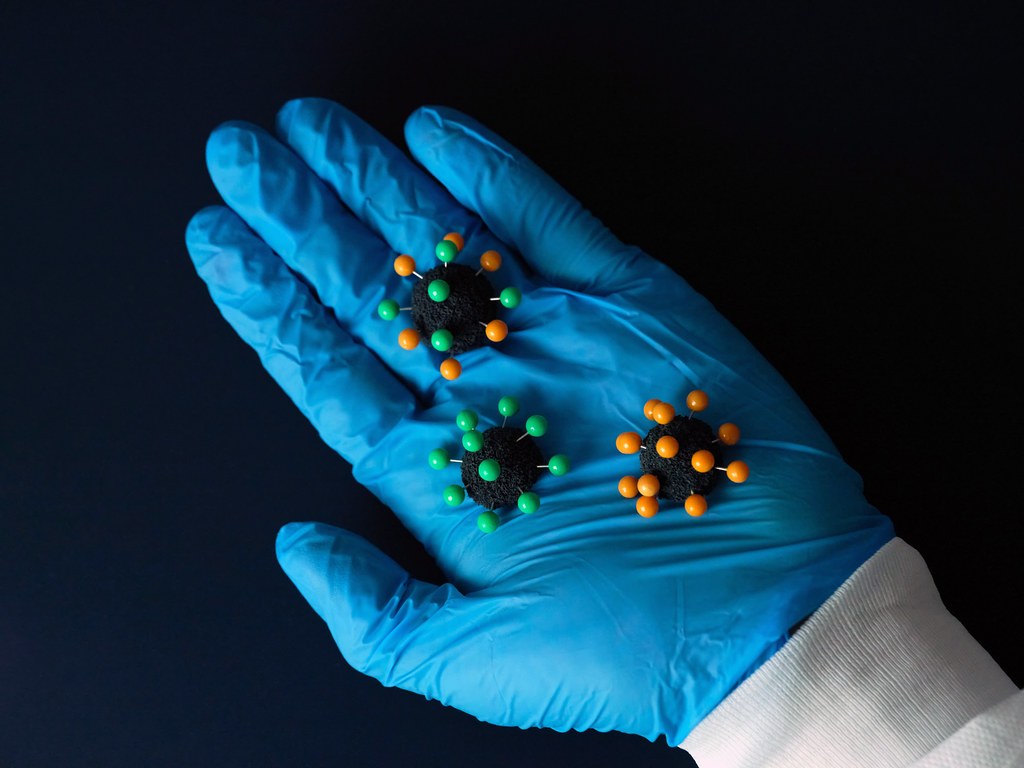
Perché i virus mutano? In realtà la domanda che dovremmo porci è: come mutano i virus? I virus non sono esseri pensanti che agiscono secondo una strategia, non decidono se mutare o come mutare, e quando ciò accade è il risultato che determina se la mutazione sopravviverà nel tempo e non viceversa. Questo è validoContinue reading “Mutazioni, varianti e quasispecie: la microevoluzione dei virus”
Mutations, variants and quasispecies: the microevolution of viruses
Why do viruses mutate? Actually, the question we should ask is: how do viruses mutate? Viruses are not consciously thinking beings that pursue a strategy, they do not decide to mutate or how to mutate, and when this happens, it is the result of the mutation to determine whether it will persist in time, andContinue reading “Mutations, variants and quasispecies: the microevolution of viruses”
Il vaccino Oxford-Astra Zeneca: un vaccino basato su un vettore virale

Nel Regno Unito sono stati approvati tre vaccini per contrastare la pandemia: si tratta di due vaccini a mRNA e un vaccino basato su un vettore virale. Quest’ultimo, chiamato AZD1222 è stato sviluppato dall’Università di Oxford e dall’industria biofarmaceutica AstraZeneca. AZD1222 è basato su un Adenovirus degli scimpanzé, modificato in modo da non potersi replicareContinue reading “Il vaccino Oxford-Astra Zeneca: un vaccino basato su un vettore virale”
The Oxford-Astra Zeneca vaccine: a viral vector-based vaccine
Three different vaccines have been authorised for emergency use in the United Kingdom to control the pandemic: two of them are mRNA vaccines, and one is based on a viral vector. The latter, called AZD1222, has been developed by Oxford University in collaboration with the biopharma company Astra Zeneca. AZD1222 is based in a chimpanzeeContinue reading “The Oxford-Astra Zeneca vaccine: a viral vector-based vaccine”
 Virus&Co.